
Home Renovation with AI: Tools, Renderings and Time Savings for Architects
Discover how AI is transforming home renovation for architects: tools, 3D renderings, energy diagnostics. Qualiopi-certified training, OPCO/FIFPL funding.
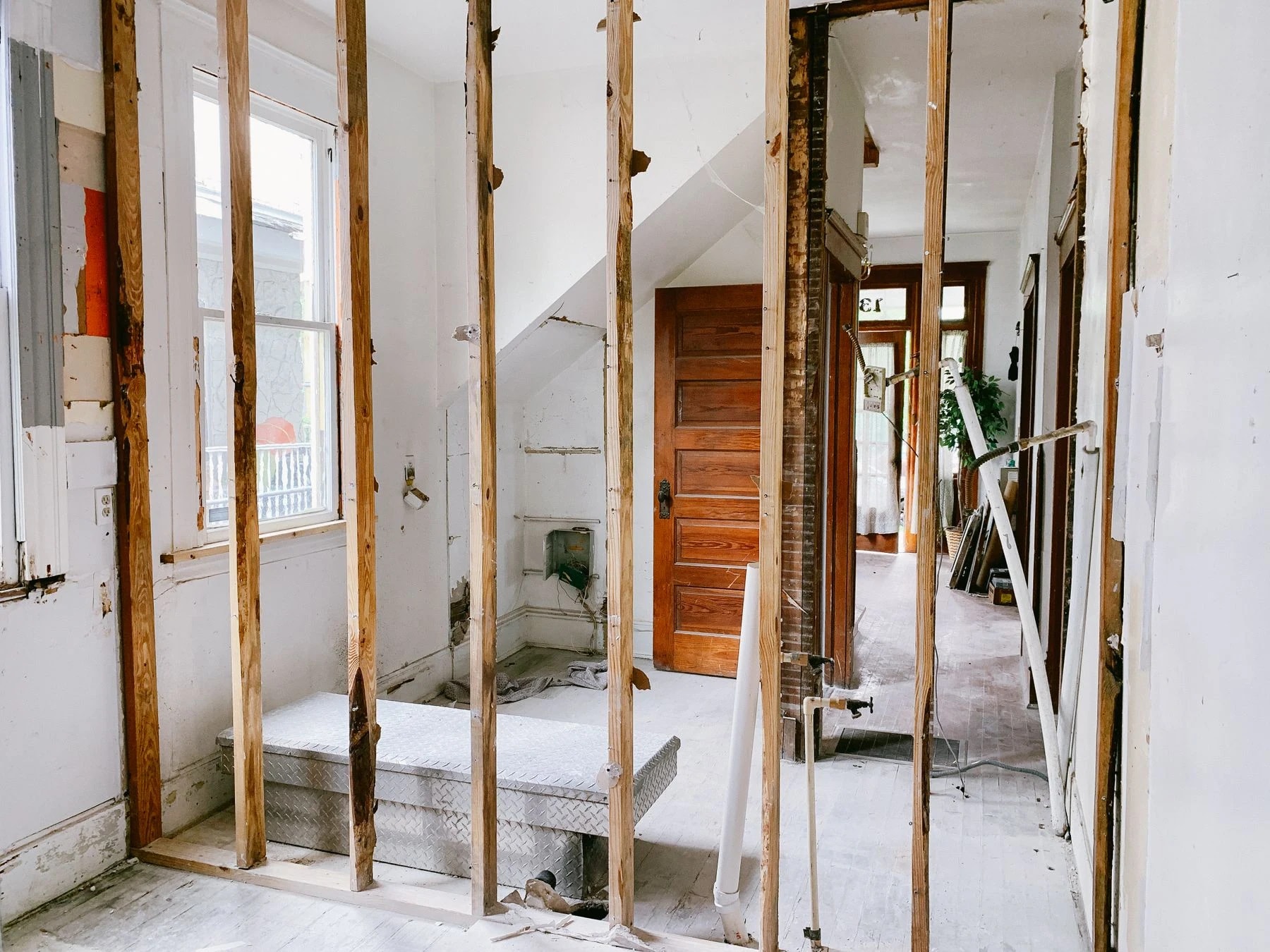
Home Renovation with AI: Tools, Renderings and Time Savings for Architects
AI home renovation is no longer a futuristic concept reserved for large agencies: it is now accessible to any architect or project manager wanting to gain efficiency and delivery quality. In 2025, studies show that construction professionals who integrate AI tools into their workflow reduce their design time by 30 to 45%. For architects and project managers working on renovation projects, this transformation opens considerable possibilities: before/after visualization in minutes, automated energy diagnostics, accelerated drafting of technical documents. This article presents the concrete tools, real use cases and training paths to integrate AI into your professional practice.
Contents
- The main AI tools for renovation
- Before/after visualization: AI's major asset
- AI-assisted energy diagnostics
- Drafting technical documents with AI
- Training in AI for renovation: a fundable process
- FAQ
The main AI tools for renovation
The market for AI tools dedicated to the construction and renovation sector has structured itself rapidly. Here are the most relevant categories and solutions for architects and project managers.
Design and modeling software
Autodesk Forma (formerly Spacemaker) integrates machine learning algorithms to analyze a site's potential, simulate sunlight and evaluate environmental impact in real time. For a renovation project, this means immediate evaluation of regulatory constraints and spatial optimization opportunities.
ARCHITEChture AI and equivalent solutions generate alternative mass plans from a specification, taking into account the constraints of existing built structures. The architect retains creative control while saving several hours of exploratory work.
Stable Diffusion and Midjourney, configured with architecture-specialized prompts, produce photorealistic visuals of interior and exterior renovations. These renderings, obtained in minutes, facilitate client communication and accelerate validation phases.
According to Autodesk, architects using AI tools in their design projects see an average 40% reduction in time spent on plan iterations.
Calculation and analysis tools
Structural analysis platforms like Hypar or Speckle automate compliance checks and load calculations — time-consuming steps in any major renovation project. Combined with generative AI, they allow rapid exploration of structural variants.
For professionals who wish to deepen their mastery of these tools, our AI architecture guide offers a complete overview adapted to renovation projects.
Before/after visualization: AI's major asset
Visualization is probably the most immediately valuable application of AI renovation for professionals. It transforms the client relationship and reduces misunderstandings during validation phases.
From photo to rendering in minutes
Tools like Collov AI, REimagineHome or RoomGPT allow uploading a photo of an existing room and obtaining renovation proposals in seconds according to different styles (contemporary, Haussmann, industrial, etc.). For a project manager, this represents considerable time savings during preliminary projects.
The process is simple:
- Import the photo of the space to renovate.
- Choose the target style or enter a descriptive prompt.
- Generate several variants in under 2 minutes.
- Selection and refinement by the architect.
3D renderings and client communication
Clients often struggle to visualize the final result of a renovation from 2D plans or digital mockups. AI allows generating photorealistic interior and exterior perspectives that immediately speak to non-professionals, without mobilizing a CGI artist for several days.
Solutions like Veras (plugin for SketchUp and Revit) integrate directly into existing CAD tools and produce stylized renderings in a few clicks. Time savings on the commercial presentation phase are estimated between 3 and 5 hours per project.
This ability to quickly produce convincing visuals also reinforces the perceived value of the service rendered and allows architects to differentiate themselves in the renovation market.
AI-assisted energy diagnostics
Energy diagnostics are a mandatory step in any renovation project, particularly in the French regulatory context (RE 2020, MaPrimeRénov, obligations to renovate energy-inefficient housing). AI renovation intelligence provides concrete and measurable assistance here.
Automated thermal analysis
Specialized tools like IES VE or EnergyPlus combined with AI interfaces allow simulating the thermal performance of an existing building from limited input data: year of construction, visible materials, orientation, surface. In minutes, the architect has an estimate of the energy class and priority heat loss points.
This approach does not replace the certified professional diagnostician but allows pre-qualifying the work to be undertaken and guiding the client before the detailed study phase.
Renovation scenario simulation
One of the most valuable contributions of AI in energy diagnostics is the comparative simulation of scenarios. Rather than manually calculating the impact of each combination (attic insulation + window replacement + heat pump), an AI tool can test dozens of scenarios in seconds and present the three or four solutions offering the best cost/energy gain ratio.
For architects working on large-scale energy renovation projects, this simulation capacity is a direct competitive advantage.
Assistance with drafting DPE reports
AI assistants based on Large Language Models (LLMs) like ChatGPT or specialized tools can automatically generate standardized parts of diagnostic reports from collected data. The architect or diagnostician retains responsibility for the content, but drafting time is reduced by 40 to 60%.
Drafting technical documents with AI
Administrative and documentary load is a daily reality for architects: CCTP, descriptive notices, permit applications, site meeting reports, descriptive quotes. AI provides direct help on these low-creative-value tasks.
Generating CCTP and descriptive notices
From a synthetic description of the project (building type, planned work, chosen materials, regulatory constraints), an AI assistant can generate a first version of the Particular Technical Clauses Specification. This draft, to be reread and adapted, saves 2 to 4 hours on each file.
Solutions like ChatGPT with structured prompts or sector-specific tools like Archipad AI allow standardizing this documentary generation while preserving the specificities of each project. Our article on ChatGPT for architects: use cases and effective prompts details the most productive methods.
Automating site meeting reports
With audio transcription tools (OpenAI's Whisper, for example), a site meeting report can be transcribed and structured automatically. The architect dictates observations on site, AI produces a formatted document with vigilance points, reservations and actions to follow.
Drafting authorization requests
For renovation projects in protected zones or subject to heritage constraints, drafting application files to the French Building Architects (ABF) requires particular care. AI can help structure these documents and verify the consistency of regulatory vocabulary used.
Training in AI for renovation: a fundable process
Mastering these AI renovation tools is not improvised. Structured training saves time, avoids prompt errors and quickly deploys effective workflows in your professional practice.
Why train now
The renovation market is in full digital transformation. Clients, increasingly informed, compare offers and expect quality visuals from the preliminary project phase. Architects and project managers who master AI have a real competitive advantage: shorter deadlines, more impactful presentations, improved profitability.
Furthermore, regulations on energy performance (RE 2020, mandatory renovation of G and F housing by 2028) generate a growing demand for professionals able to integrate digital simulation and diagnostic tools.
What an AI training for architects covers
An AI training program adapted to renovation professionals typically covers:
- The fundamentals of generative AI models (understanding to use better).
- Prompt engineering applied to architecture and renovation.
- Image generation tools (Midjourney, Stable Diffusion) and their integration into the presentation workflow.
- AI-assisted energy simulation tools.
- Automation of technical documents with LLMs.
- Legal and deontological aspects of AI use in architecture.
Funding available for self-employed and companies
For self-employed architects, AI training is fundable by the FIFPL (Interprofessional Fund for the Training of Liberal Professionals), provided the training organization is Qualiopi-certified. For employees or structures employing staff, the reference OPCO covers all or part of the pedagogical costs.
Educasium is Qualiopi-certified and offers tailor-made training programs for architecture and renovation professionals. To discover the full program and funding options, contact our team.
FAQ
Can AI replace the architect in a renovation project?
No. AI is an assistance and acceleration tool, not a substitute for professional judgment. It handles repetitive tasks and rapid iterations, but design decisions, regulatory responsibility and client relationship remain the architect's exclusive domain. AI multiplies the professional's productivity; it does not replace them.
Which AI tools are most useful for an architect starting with AI?
For a progressive adoption, it is advisable to start with ChatGPT for document drafting and client brief generation, then experiment with Midjourney or RoomGPT for before/after visualizations. These tools are accessible without advanced technical skills and quickly produce results valuable in your practice.
Is AI training for architects FIFPL-fundable?
Yes, provided the training organization is Qualiopi-certified. Educasium is Qualiopi-certified and supports self-employed architects in assembling their FIFPL funding files. Employees can mobilize their branch OPCO to fund the training.
Take action: train in AI for renovation
Artificial intelligence is transforming the renovation sector and professionals who train today take a decisive lead. Whether it's saving time on renderings, improving your energy diagnostics or automating your technical documentation, the benefits are concrete and measurable.
Training fundable up to 100% depending on your eligibility (OPCO/FIF PL). Qualiopi-certified program. Contact Educasium for the full program and funding options of your AI training for renovation.